
The Role of Luck in Gambling
Luck is often seen as a pivotal factor in gambling, determining the outcomes of games played in venues worldwide. For many players, this element of chance brings excitement and unpredictability, creating a thrilling atmosphere. In games of pure chance, such as slots or roulette, players have no control over the outcome, and luck is the sole determinant of success or failure. This randomness can lead to significant wins or devastating losses within moments, making luck an enticing aspect of gambling. Players seeking a fun experience can also explore options like fast withdrawal online casino canada , further enhancing their gaming journey.
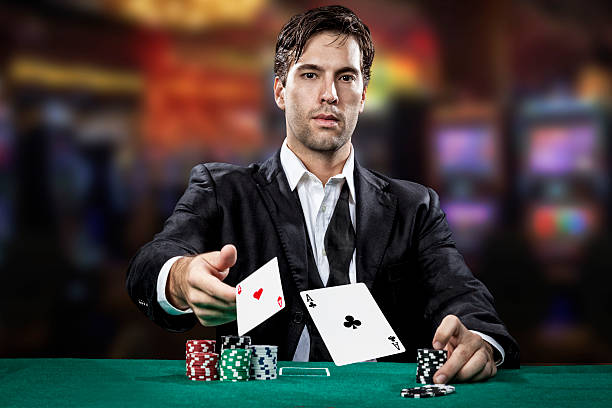
Moreover, luck is integral to the appeal of gambling for many individuals. It provides a sense of hope and possibility, as players believe they might hit the jackpot or achieve an improbable win. The allure of chance often leads to enthusiastic participation, with players returning for the excitement of potentially life-changing outcomes. This randomness also acts as an equalizer, allowing anyone to win, irrespective of experience or strategy, thereby making gambling accessible to a broad audience. It is this promise of fortune that keeps many players engaged, as they dream of hitting the big win that could change their lives forever.
However, while luck plays a major role, it is essential to recognize that relying solely on chance can lead to poor judgment and irrational decision-making. Players who ignore the odds and their personal limits because of the thrill of luck may find themselves facing grim financial consequences. Understanding that luck is just one aspect of gambling can help players make informed decisions, balancing their emotions with a more rational approach to their gaming experiences. By maintaining realistic expectations and managing their bankroll wisely, players can enjoy the thrill of chance without falling prey to its pitfalls.
The Importance of Skill in Gambling
In contrast to luck, skill plays a significant role in many gambling games, particularly those that involve strategy and decision-making. Games such as poker, blackjack, and sports betting require players to apply knowledge, strategy, and analytical skills to succeed. In these instances, a skilled player can make calculated decisions that increase their chances of winning, showcasing how skill can sometimes outweigh the factor of luck in determining outcomes. This distinction highlights the importance of preparation and practice for those who wish to excel in these games.
In poker, for instance, understanding probability, knowing when to bluff, and recognizing opponents’ patterns can significantly enhance a player’s chances of success. Unlike purely luck-based games, the ability to read situations and players can lead to long-term profitability. This reliance on skill illustrates that while luck can influence a single hand or session, consistent skill application leads to better outcomes over time, emphasizing the need for strategic thinking in gambling. Players who invest time in honing their skills often find that their efforts yield positive results, reinforcing the importance of strategy in the gambling landscape.
Additionally, the development of skill in games can create a more engaging experience for players. Those who invest time in mastering a skill-based game often find greater satisfaction in their gaming experience, as they can see tangible improvements in their performance. This increased engagement can foster a responsible gambling approach, where players are not just seeking luck but also aiming to refine their skills and strategies for better results. This focus on skill not only enhances enjoyment but also encourages a more disciplined approach to gambling, allowing players to set goals and track their progress over time.
The Interaction Between Luck and Skill
The relationship between luck and skill in gambling is complex and often interdependent. In games that combine elements of both, such as blackjack, players must navigate the whims of luck while applying their skills to minimize losses and maximize wins. This interplay showcases that while skill can influence a player’s destiny, the unpredictable nature of luck is always a lurking factor that can alter outcomes unexpectedly. Recognizing this dynamic is crucial for players aiming to develop a comprehensive approach to their gambling endeavors.
For example, in a game of blackjack, even the most skilled player can succumb to a streak of bad luck, where the cards dealt do not favor their strategies. Conversely, a less skilled player who coincidentally receives favorable cards can achieve significant wins simply due to luck. This dynamic illustrates that no matter how much control a player believes they have over the outcome, luck remains an ever-present and influential aspect of the gambling experience. Players must learn to accept the role of luck while continually striving to enhance their skills to mitigate the impact of chance.
This interaction also emphasizes the importance of adopting a balanced approach. Players should recognize that while skill can enhance their gameplay, maintaining perspective on the role of luck is crucial to developing a healthy attitude toward gambling. Understanding this balance can help players avoid the trap of overconfidence that often arises from winning streaks, as it is essential to prepare for the inevitable fluctuations that luck can introduce into their gambling experiences. By cultivating both skill and awareness of luck, players can navigate the challenges of gambling with greater resilience and insight.
The Psychological Impact of Luck and Skill
The psychological effects of luck and skill in gambling can significantly influence a player’s behavior and decision-making. Many players often attribute their wins to skill, fostering a sense of pride and competence, while they attribute losses to bad luck, which can lead to feelings of frustration and despair. This cognitive bias can impact how players approach future gaming sessions, affecting their long-term strategies and overall enjoyment of the games. Understanding these psychological dynamics is essential for players who wish to improve their gambling experiences.
Moreover, the perception of luck can evoke strong emotional responses, such as excitement and anxiety. Players may chase their losses by believing that luck will eventually turn in their favor, a behavior known as the gambler’s fallacy. This mindset can lead to reckless gambling practices, where players continue to wager more in hopes of recouping their losses, often exacerbating the situation. Recognizing the psychological impact of both luck and skill can aid in fostering responsible gambling practices among players, encouraging them to remain mindful of their emotions and decisions.
On the other hand, embracing skill development can foster a greater sense of control and empowerment in players. Engaging with games that prioritize skill can lead to increased confidence and satisfaction, as players witness their improvements. This approach not only encourages a more strategic mindset but also promotes a healthier relationship with gambling, as players feel more invested in their outcomes while staying grounded in reality when faced with the unpredictability of luck. By focusing on skill enhancement, players can cultivate a more balanced perspective on their gaming activities.
Final Thoughts and Insights on Gambling
In summary, the influence of luck versus skill in gambling is a multifaceted dynamic that shapes player experiences and outcomes. While luck can lead to sudden wins that heighten the thrill of gambling, skill acts as a powerful tool that can improve a player’s chances of success, especially in strategy-driven games. Finding the right balance between these two elements is essential for a fulfilling gambling experience. Players are encouraged to embrace the unpredictability of luck while developing their skills to improve their gaming strategies.
Ultimately, understanding the roles of both luck and skill can lead to more informed decision-making. This knowledge empowers players to approach gambling as a blend of chance and strategy, where each session presents an opportunity for growth and learning. By maintaining this perspective, players can enjoy their gaming experiences while minimizing the risks associated with gambling.
As players explore the intricacies of gambling, they should prioritize responsible gaming practices and enjoy the blend of luck and skill that makes this pastime so captivating. Engaging with platforms that promote safe gambling can be a valuable resource for ensuring that the balance of luck and skill enhances the overall experience without compromising personal well-being. By fostering a healthy approach to gambling, players can navigate the exhilarating world of chance and skill with confidence and enjoyment.